Fellowship Programme in Cosmetic and Aesthetic Medicine - (FCAM)
Leading To MSc Cosmetic and Aesthetic Medicine
Accreditation
The CPD Group
Duration
15 Days
Tuition Fees
£5,000
Study Mode
Blended Learning
With Clinical Practice
Finance Options
T&Cs Apply
ABOUT THIS COURSE
Course Overview
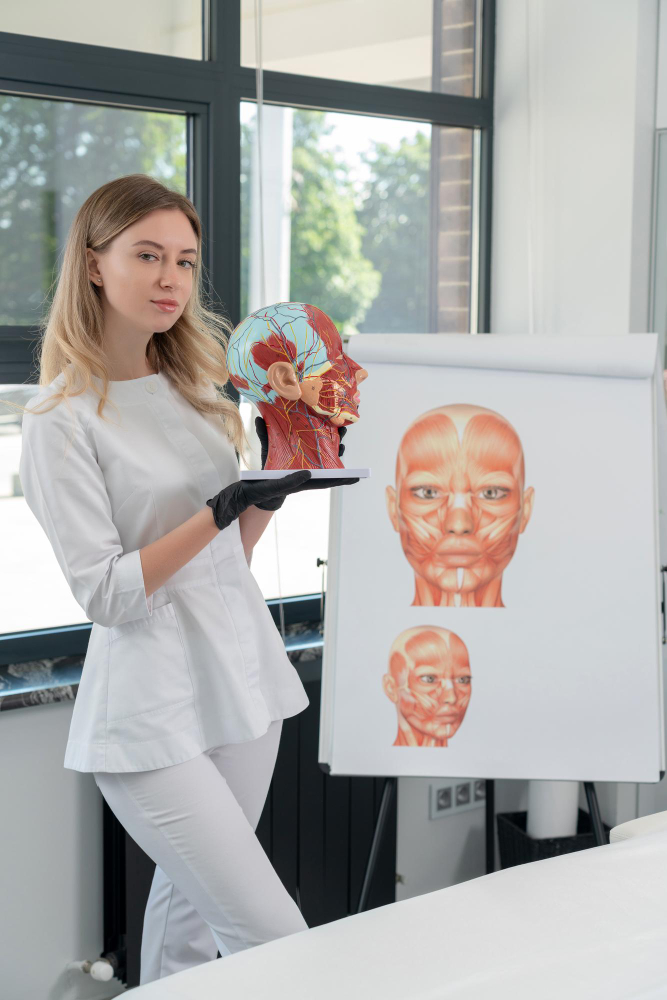
The process of entering into cosmetic and aesthetic medicine requires far more than theoretical knowledge alone. Many healthcare professionals entering the field quickly recognise the importance of structured injectable training, patient assessment, clinical decision-making, and supervised hands-on experience before progressing to postgraduate study.
Who It's For
The Fellowship in Cosmetic and Aesthetic Medicine (FCAM) has been designed as a Pre-Master’s Clinical Fellowship to bridge this critical gap between hands-on aesthetic practice and advanced academic education. Combining evidence-based learning with practical training on live patients, the programme develops the competence, confidence, and professional standards expected within modern aesthetic practice.
What You'll Learn
Lorem ipsum dolor sit amet, consectetur adipiscing elit, sed do eiusmod tempor incididunt ut labore et dolore magna aliqua.
Career Outcomes
Lorem ipsum dolor sit amet, consectetur adipiscing elit, sed do eiusmod tempor incididunt ut labore et dolore magna aliqua.
LEARNING PATHWAY
Course Details
Lorem ipsum dolor sit amet, consectetur adipiscing elit, sed do eiusmod tempor incididunt ut labore et dolore magna aliqua. Ut enim ad minim veniam, quis nostrud exercitation ullamco laboris nisi ut aliquip ex ea commodo consequat.
Duis aute irure dolor in reprehenderit in voluptate velit esse cillum dolore eu fugiat nulla pariatur. Excepteur sint occaecat cupidatat non proident, sunt in culpa qui officia deserunt mollit anim id est laborum.
The Certificate in Anatomy, Physiology and Pathology for Aesthetic Medicine is delivered through a blended academic and clinical model, combining structured theoretical learning with supervised applied practice. Assessment is evidence-based and mapped against nationally recognised qualification standards.
Module 1
Aim of the Module:
The aim of the module is to address the life sciences underpinning cosmetic medicine and the professional and ethical issues that arise in practice.
Synopsis of Module Content:
*Anatomy of the face: The skin, muscles, fat pads, blood vessels, nerves, and bones within the face.
*Physiology: Physiological changes relating to these structures.
*Aging: Facial structure functions and their relation to aging.
*Clinical Practice: Facial assessments and treatment plans.
*Ethics: Ethics for treating patients for financial gain (treatment dependent).
Learning Outcomes:
Upon completion, students will be able to:
1. Critically apply in-depth anatomical and physiological knowledge of the face to the selection of appropriate cosmetic medical treatments.
2. Critically analyse the professional and ethical issues surrounding aesthetic medicine.
Module 2
Aim of the Module:
Address botulism as a disease and the pharmacology of botulinum toxins and treatments.
Synopsis of Module Content:
*History: Botulinum and botulism history; pharmaceutical history and licenses.
*Microbiology: Clostridia as bacteria.
*Clinical Use: Indications for use, common complications, and their treatment.
*Administration: Patient selection, injection techniques, safety, adverse effects, and combination treatments.
Learning Outcomes:
Upon completion, students will be able to:
1. Critically apply the pharmacokinetics and pharmacodynamics of botulinum use in cosmetic and medical treatment.
2. Critically appraise the use of botulinum toxin in aesthetic treatments.
Module 3
Aim of the Module:
Teach candidates about facial fillers, volume loss, facial fat pads, and how treatment of a volume-depleted face can impact the aging face.
Synopsis of Module Content:
*Structural Aging: Anatomy of facial fat pads and physiological effects of aging.
*Dermal Fillers: Hyaluronic Acids (HA), manufacturers, cross-linking (BDDE), fibre length, duration of effect, and fibroblasts.
*Complications: Indications for HAs, complications associated with administration, and management of complications.
*Patient Care: Avoiding complications and managing patient expectations.
*Materials: Non-HA fillers (permanent/temporary, synthetic/autologous) and fillers for specific regions (lips, hands).
Learning Outcomes:
Upon completion, students will be able to:
1. Critically analyse the evidence base for the augmentation of facial fat pads with dermal fillers.
2. Critically evaluate the use of dermal fillers in aesthetic treatments.
Module 4
Aim of the Module:
Understand skin in terms of embryology, structure, and function, as well as the effects of aging, sun, and smoking.
Synopsis of Module Content:
*Skin Anatomy: Normal anatomy and physiology; layers of the epidermis and dermis; cellular and non-cellular elements.
*Environmental Damage: How skin changes with aging and environmental damage across all layers.
*Light & Laser: Fitzpatrick skin types, UV light effects, sun protection, skin ablative/non-ablative treatments, lasers, and Intense Pulsed Light (IPL).
*Advanced Therapies: Laser parameters, dermal peels, skin repair, and emerging treatments.
Learning Outcomes:
Upon completion, students will be able to:
1. Critically appraise the processes affecting damage to the skin.
2. Critically evaluate a variety of skin treatments.
Module 5
Aim of the Module:
Understand hair growth and hair loss and relate that to medical treatments for hair removal and replacement.
Synopsis of Module Content:
*Biology: Normal hair growth cycles, color variations, follicle anatomy, and pathology.
*Medical Conditions: Conditions related to unwanted hair (PCOS, folliculitis barbae, hormonal conditions).
*Hair Removal: Laser and IPL systems (excluding mechanical removal such as waxing or electrolysis); differences between laser and IPL technology.
*Hair Loss: Manifestations, male hair loss patterns, and non-surgical treatment methods (light therapy, stimulation).
*Pharmacology & Surgery: Drug treatments, side effects, pharmacological properties, and surgical methods for hair loss.
Learning Outcomes:
Upon completion, students will be able to:
1* Critically apply knowledge of normal hair growth and follicle pathology to treatments.
2* Evaluate and appropriately recommend treatments used in hair removal.
3* Evaluate and recommend non-surgical methods for hair stimulation.
Module 6
ELIGIBILITY
Who Should Enrol?



ADMISSION CRITERIA
Entry Requirements & Prerequisites
Level 3 Certificate Required
Medical Background Preferred
English Language Preferred
What You Receive on Completion
Assessment & Certification
 ×
×


book your coursE
Upcoming Training Dates
Secure your spot on any available intake below, spaces are limited so please book early to avoid disappointment. Alternatively, our flexible booking options, allows you to start now, learn at your own pace and schedule your practical training sessions at a later date.
WE'RE HERE TO HELP
Not sure which date works for you?
Schedule a free consultation with our academic team to explore course eligibility, professional pathways, and accreditation requirements. Receive personalised guidance to support your training and career progression.
Feel free to book a quick ZOOM call for a proper catch-up, or leave us a message using the form below and we’ll be right with you.
Faqs
Frequently Asked Questions
The Certificate in Anatomy, Physiology and Pathology for Aesthetic Medicine is delivered through a blended academic and clinical model, combining structured theoretical learning with supervised applied practice. Assessment is evidence-based and mapped against nationally recognised qualification standards.
Can i study this course online?
Describe the item or answer the question so that site visitors who are interested get more information. You can emphasize this text with bullets, italics or bold, and add links.
Is this course Ofqual regulated?
Describe the item or answer the question so that site visitors who are interested get more information. You can emphasize this text with bullets, italics or bold, and add links.
How can i apply?
Describe the item or answer the question so that site visitors who are interested get more information. You can emphasize this text with bullets, italics or bold, and add links.
Courses You Might be Interested In
Explore Related Course




Contact Us
Hamilton House 4 Mabledon Place,
Bloomsbury, London
WC1H 9BB
Hamilton House 4 Mabledon Place,
Bloomsbury, London
WC1H 9BB
Practice Clinic: 82 Harley Street,
London W1G 7HN
Copyright © 2026 Harley Institute of Aesthetics. All rights reserved.