Fellowship Programmes
Clinical Fellowship in Applied Hair Restoration and Surgical Practice
Move beyond theoretical knowledge and develop the clinical judgement, diagnostic skills and supervised surgical experience required in modern hair restoration.
This postgraduate fellowship takes you from advanced hair and scalp science through trichological assessment, patient selection, surgical planning, FUE, FUT, BHT, graft handling, recipient-site design, implantation, complication management and professional practice — with 20 supervised hair-transplant surgeries forming a central part of your clinical development.
Tuition Fees
£12,000
Duration: TBA
Detailed Theory
In-depth skill building
Clinical observation
Diplomat-led Training
Supervised Clinical Practice
ABOUT THIS COURSE
Course Overview
The Postgraduate Fellowship in Applied Hair Restoration and Surgical Practice is an advanced, clinically integrated programme for doctors that goes beyond graft extraction and implantation, emphasising diagnosis, patient assessment, donor preservation, and treatment strategy. Its curriculum combines trichology, surgical anatomy, pharmacological and non‑surgical therapies, FUE, FUT, body‑hair transplantation, graft preservation, recipient‑site design, hairline artistry, complication management, and clinical governance. Responding to global demand, the ISHRS reported members averaged 178 surgeries annually in 2024, with patient numbers up 20% since 2021 and first procedures averaging 2,347 grafts, underscoring the scale and complexity of modern practice. For doctors, this represents both opportunity and responsibility, requiring sound diagnosis, patient selection, anatomical knowledge, donor‑resource management, surgical judgement, and long‑term clinical planning.
What You'll Learn?
Course Details
The Postgraduate Fellowship in Applied Hair Restoration and Surgical Practice follows a structured progression from science to diagnosis, surgical planning, and supervised clinical practice. It begins with advanced anatomy, follicular biology, and the pathophysiology of hair loss, moving into trichological assessment, classification, trichoscopy, donor evaluation, and patient‑specific treatment planning. The applied component develops expertise in contemporary surgery, including pre‑operative preparation, local anaesthesia, FUE, FUT, BHT, hybrid approaches, graft handling, preservation, recipient‑site creation, hairline design, implantation, and post‑operative management, reinforced by 20 supervised transplant surgeries. The final module extends beyond technique into professional practice, covering patient psychology, consultation, complications, corrective surgery, governance, regulatory considerations, responsibilities, and ethical marketing, aiming to produce practitioners who understand not only how procedures are performed, but why they are chosen, how they should be planned, what risks exist, and how to safeguard long‑term patient interests.
The Certificate in Anatomy, Physiology and Pathology for Aesthetic Medicine is delivered through a blended academic and clinical model, combining structured theoretical learning with supervised applied practice. Assessment is evidence-based and mapped against nationally recognised qualification standards.
What You'll Study?
Module 1 — Advanced Anatomy, Physiology and Pathophysiology of Hair and Scalp
Explore the advanced anatomy and biology of the scalp and hair follicle, including follicular-unit structure, growth cycles, stem-cell biology and graft survival. Develop a deeper understanding of the pathophysiology of hair loss and scalp conditions that influence patient selection and surgical outcomes.
Module 2 — Trichological Assessment and Diagnosis
Develop advanced skills in patient evaluation, hair-loss classification, trichoscopy, donor assessment and differential diagnosis. Learn to determine surgical candidacy, estimate graft requirements and create patient-specific, long-term treatment plans.
Module 3 — Surgical Procedures and Clinical Assessment
Study contemporary hair-transplant surgery, including FUE, FUT, BHT and hybrid techniques, together with anaesthesia, graft handling, recipient-site creation and implantation. Develop an integrated understanding of pre-operative preparation, surgical technique, hairline design, post-operative care and clinical follow-up.
Module 4 — Elements of Professional Practice
Develop the professional and clinical judgement required to manage consultations, patient expectations, complications, revision cases and complex clinical situations. Explore clinical governance, ethics, regulation, professional competencies and responsible marketing within modern hair-restoration practice.
20 Supervised Hair-Transplant Surgeries
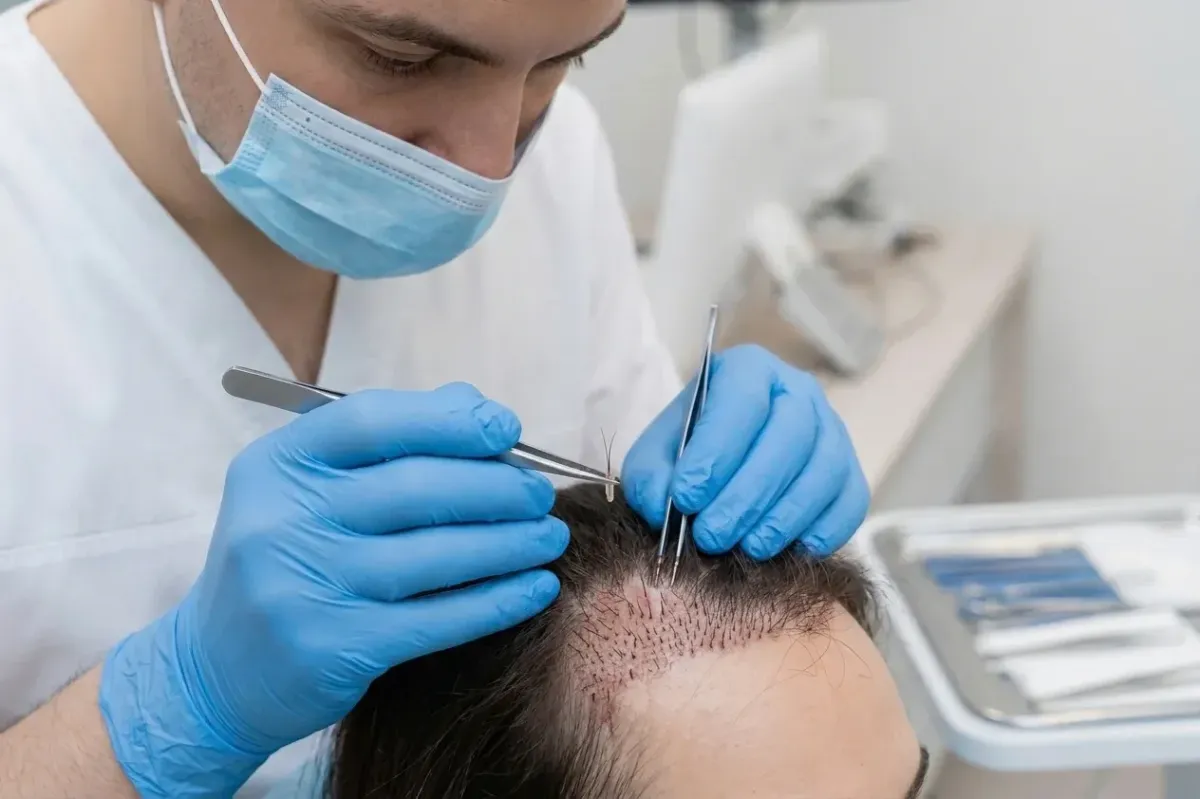
A central component of the fellowship is 20 supervised hair-transplant surgeries, providing structured clinical exposure alongside the academic curriculum. Fellows will progressively apply their learning across patient assessment, surgical planning, donor harvesting, graft handling, recipient-site preparation, implantation and post-operative care under appropriate clinical supervision.
Key Information

Entry Requirements
Applicants should normally meet the following requirements:
• Hold a recognised medical degree or equivalent primary medical qualification.
• Hold current medical registration, licensing or professional authorisation appropriate to their jurisdiction.
• Have a sound foundation in human anatomy, physiology, pharmacology and general clinical practice.
• Be able to participate in supervised clinical activities within their lawful professional scope of practice.
• Demonstrate a genuine professional interest in trichology, hair restoration, hair transplantation or related clinical practice.
• Previous experience in hair restoration is beneficial but is not necessarily required where the applicant can demonstrate the appropriate clinical background and suitability for postgraduate study.
Our Teaching Approach
1. Science Before Surgery
We begin with the biology of the hair follicle, scalp anatomy and pathophysiology of hair loss. This gives fellows the scientific framework needed to understand why different treatments and surgical strategies may be appropriate for different patients.
2. Diagnosis to Decision-Making
Hair transplantation is not simply a procedural exercise. Fellows learn to assess the patient, interpret clinical findings, evaluate donor resources, consider future hair loss and develop a treatment plan based on the individual's anatomy, goals and long-term needs.
3. Supervised Clinical Development
The programme combines postgraduate academic learning with 20 supervised hair-transplant surgeries. Clinical experience is developed progressively, with emphasis on patient safety, technical precision, professional judgement, documentation, communication and reflective practice.
Progression Route
1. Advanced Hair-Restoration Practice
Complete the fellowship with a stronger foundation in trichological assessment, surgical planning, modern transplantation techniques, patient management and professional practice.
2. Clinical Fellowship and Further Surgical Experience
Fellows seeking further structured clinical development may progress into additional supervised hair-restoration experience and advanced clinical fellowship pathways, subject to eligibility and clinical placement requirements.
3. Postgraduate Academic Progression
The fellowship can provide a foundation for further postgraduate development in hair restoration and trichology, including progression towards advanced postgraduate study such as the MSc in Trichology & Applied Hair Restoration, subject to the relevant institution's entry and credit requirements.
Eligible Roles
Who We Train
Doctors
Physician
Associates
Nurses
Dentists
Allied Health Professionals
Beauty Therapists
Aspiring Aesthetic Practitioners
Recognised Training & Qualifications
Accreditation & Validation

book your coursE
Upcoming Training Dates
Reserve your place today and take the first step towards advancing your knowledge and practice. Places are limited and fill quickly, so early enrolment is strongly encouraged to avoid disappointment. Enrol now to gain immediate access to your online study materials and complete your practical training at a time that suits you.
CUSTOM SCHEDULING OPTIONS
Can't Make These Dates?
Please share your preferred month and availability, and we will be in touch to confirm suitable training dates. Your response will help us shape our upcoming course schedule around the needs of our learners.
Tell us your preferred date
If the current dates for this course do not work for you, tell us what would and our admissions team will follow up.

Real Results | Real Delegates
What Our Delegates Say?
WE'RE HERE TO HELP
Not Sure Where to Start?
Taking the first step towards a new career can feel overwhelming and that is completely normal. Our academic team is here to make that decision easier for you.
Book your free consultation today and get personalised guidance on course eligibility, professional pathways, tuition fee instalments, and available discounts.
Your future starts with one conversation.
Let's talk.
Download Course Brochure
Receive immediate access to our latest curriculum overview, entry requirements, fees, and flexible schedules.
We have sent a copy of the prospectus directly to your email address. You should receive it momentarily.
If it doesn't arrive within a couple of minutes, please check your spam or junk folder.
Frequently Asked Questions
Everything You Need to Know
The Certificate in Anatomy, Physiology and Pathology for Aesthetic Medicine is delivered through a blended academic and clinical model, combining structured theoretical learning with supervised applied practice. Assessment is evidence-based and mapped against nationally recognised qualification standards.
1. Who is this fellowship designed for?
The fellowship is primarily designed for doctors who want to develop advanced knowledge and supervised clinical experience in hair restoration and hair-transplant practice. It is particularly suited to doctors seeking a structured pathway rather than isolated training in a single transplantation technique.
2. Does the fellowship include real hair-transplant surgery?
Yes. The programme includes 20 supervised hair-transplant surgeries. These surgeries are an important part of the fellowship's applied clinical component and are designed to connect theoretical learning with supervised patient care.
3. Will I perform the procedures independently?
No programme can responsibly guarantee independent surgical competence simply through completion of a course. Hands-on participation is conducted within an appropriate clinical governance and supervision framework and depends on your existing experience, demonstrated competence, professional scope and the assessment of the supervising clinical team.
4. Will I learn both FUE and FUT?
Yes. The curriculum provides advanced theoretical and applied coverage of both Follicular Unit Extraction (FUE) and Follicular Unit Transplantation (FUT), together with manual and motorised FUE approaches, BHT and hybrid FUE-FUT planning.
5. Does the fellowship cover diagnosis as well as surgery?
Yes. Diagnosis is a major part of the programme. You will study patient history, clinical assessment, hair-loss classification, trichoscopy, donor assessment, differential diagnosis, patient selection and long-term treatment planning before progressing into surgical procedures.
6. Will I learn hairline design and graft placement?
Yes. Advanced recipient-site design and graft implantation are covered in detail, including hairline architecture, frontal transition zones, facial proportions, angulation, direction, density, graft distribution, single- and multi-hair graft placement, and DHI/implanter techniques.
7. Does the programme cover complications and revision surgery?
Yes. The fellowship includes a dedicated component covering complications, risk management and corrective surgery. Topics include infection, bleeding, graft loss, transection, donor depletion, overharvesting, scarring, poor density, unnatural hairlines and revision planning.
8. Does completing the fellowship make me a specialist hair-transplant surgeon?
Completion of a postgraduate fellowship demonstrates structured education and supervised clinical experience; it should not be represented as automatically conferring specialist registration, a specialist title or unrestricted authority to perform surgery. Your ability to practise depends on your medical registration, jurisdiction, scope of practice, clinical governance, demonstrated competence, insurance and applicable laws and professional requirements.
Courses You Might be Interested In
Explore Related Course

Hamilton House
4 Mabledon Place
Bloomsbury
London WC1H 9BB
United Kingdom





Copyright © 2026 Harley Institute of Aesthetics. All rights reserved.