Foundation Programmes
Foundation Botulinum Toxin & Dermal Fillers
Build confidence to start your journey in aesthetics with a solid foundation in Botulinum Toxin and Dermal Fillers. Learn the science, anatomy, assessment and treatment principles that lift you beyond procedures, into judgement.
Tuition Fees
£3,000
Duration: 2 Days
ProQual AB
CQC‑Registered Clinic
GMC‑Registered Teachers
Diplomate‑Led Training
Supervised Clinical Practice
ABOUT THIS COURSE
Course Overview
Injectable aesthetics has become one of the important parts of modern non‑surgical medicine. Botulinum Toxin and Dermal Fillers are recognised over the world. Every year millions of people get these treatments to smooth lines bring back volume. Improve facial balance without having surgery.. Just because something is popular does not mean it is easy. To be successful you must know anatomy do an assessment choose the right product talk with the patient get clear consent plan the treatment and keep safety in mind. The Foundation programme gives an introduction, to both Botox and fillers. It gives students the knowledge they need before they move on to more advanced injectable aesthetics.
What You'll Learn?
Course Details
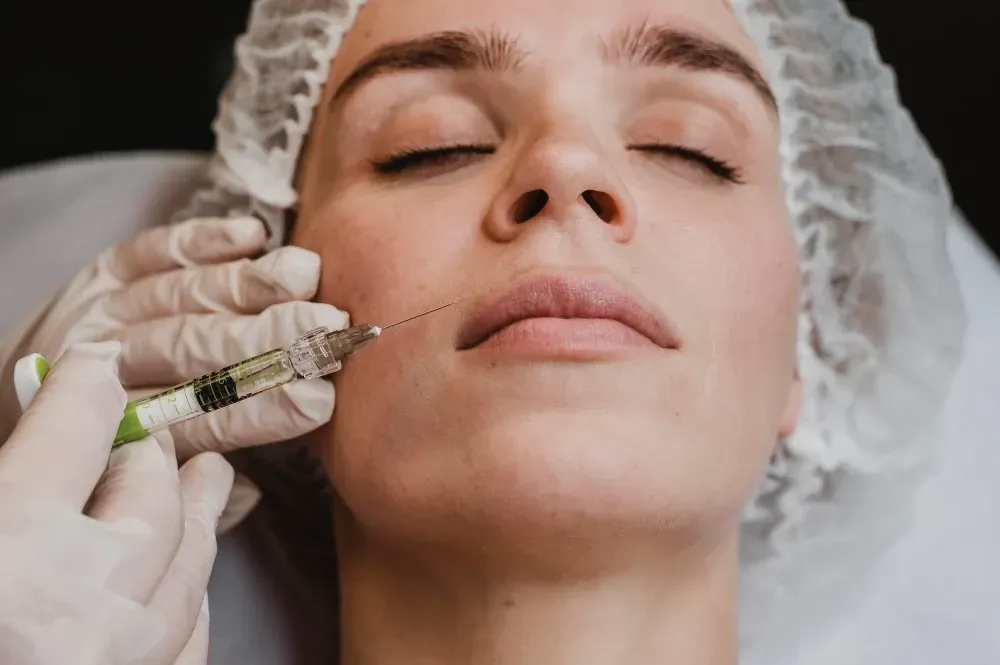
The programme builds a scientific base for safe decision‑making in injectable aesthetics. The programme covers anatomy, skin, muscles and tissues before the programme applies this knowledge to Botulinum Toxin and Dermal Fillers. The programme lets students follow the patient journey, from consultation to aftercare. The programme teaches assessment, consent, treatment planning, injection principles, product considerations and risk awareness. The programme covers side effects, contraindications and infection prevention.
The Certificate in Anatomy, Physiology and Pathology for Aesthetic Medicine is delivered through a blended academic and clinical model, combining structured theoretical learning with supervised applied practice. Assessment is evidence-based and mapped against nationally recognised qualification standards.
What You Will Study?
Foundations of Anatomy and Physiology
Explores skin, muscles, fat, nerves, and vascular structures relevant to injectables. Builds awareness of age‑related changes and anatomical variation for safe treatment planning.
Introduction to Botulinum Toxin
Introduces Botox principles, dynamic facial lines, treatment objectives, and patient suitability. Highlights professional considerations and expected outcomes in practice.
Anatomy and Physiology for Botulinum Toxin
Covers facial muscular anatomy, wrinkle formation, and symmetry. Emphasises anatomical safety and variation in treatment planning.
Introduction to Dermal Fillers
Explains filler types, characteristics, and cosmetic indications. Reviews facial ageing, balance, and objectives for volume restoration.
Patient Consultation and Treatment Planning
Develops consultation, assessment, and communication skills. Covers medical history, contraindications, consent, and documentation.
Aseptic Practice and Infection Prevention
Teaches aseptic technique, hygiene standards, and infection control. Reinforces safe handling of equipment and patient safety responsibilities.
Injection Principles and Techniques
Introduces syringe and needle awareness, injection depth, angles, and tissue layers. Focuses on conservative planning and practitioner competency.
Foundation Botulinum Toxin Treatment Areas
Reviews common Botox zones, muscle movement, and facial symmetry. Guides treatment planning, patient expectations, and follow‑up.
Foundation Dermal Filler Treatment Areas
Covers lips and facial proportions, balance, and symmetry. Highlights planning and anatomy awareness to avoid over‑treatment.
Dermal Filler Products and Longevity
Explains filler products, effectiveness, and factors influencing outcomes. Reviews longevity, maintenance, and patient expectations.
Patient Safety and Contraindications
Identifies side effects, contraindications, and emergency preparedness. Teaches recognition of symptoms, escalation, and anaphylaxis awareness.
Post‑Treatment Care and Management
Covers aftercare instructions, patient education, and follow‑up. Reinforces communication, documentation, and professional standards.
Introduction to Advanced Facial Areas
Provides awareness of complex zones like rhinoplasty and tear troughs. Emphasises risk recognition, suitability, and the need for advanced training.
Professional, Ethical and Legal Considerations
Explores professional responsibility, ethics, and scope of practice. Reviews consent, confidentiality, advertising, insurance, and regulatory compliance.
Key Information

Entry Requirements
Applicants should normally meet the following requirements:
• Be aged 18 years or above.
• Hold an appropriate qualification or meet the professional entry requirements specified for foundation injectable aesthetic training.
• Have completed, or be able to demonstrate, appropriate knowledge of anatomy and physiology through prior education or a recognised prerequisite programme.
• Be able to understand and communicate in English at a level suitable for professional education and patient communication.
• Meet any additional professional, practical, regulatory, prescribing or insurance requirements relevant to their intended scope of practice.
Our Teaching Approach
Knowledge Before Technique
Injectable aesthetics starts with understanding. Students first build their knowledge of anatomy, facial structures, patient assessment and treatment principles before moving on to ideas that support practice.
The Patient Before the Procedure
The patient comes before the procedure. Aesthetic medicine is not, about performing a treatment. Our teaching approach stresses consultation, patient suitability, facial assessment, informed consent, realistic expectations and professional judgement.
Safety and Professional Development
Safety and professional development are woven into every part of the programme. Students are encouraged to understand their boundaries recognise when further education is needed and see aesthetic practice as a continuing journey of development not just a single qualification.
Progression Route
1. Develop Your Foundation in Injectable Aesthetics
2. Progress to Advanced Aesthetic Practic
3. Progress Towards Postgraduate Education
Eligible Roles
Who We Train
Doctors
Physician
Associates
Nurses
Dentists
Allied Health Professionals
Beauty Therapists
Aspiring Aesthetic Practitioners
Recognised Training & Qualifications
Accreditation & Validation

book your coursE
Upcoming Training Dates
Reserve your place today and take the first step towards advancing your knowledge and practice. Places are limited and fill quickly, so early enrolment is strongly encouraged to avoid disappointment. Enrol now to gain immediate access to your online study materials and complete your practical training at a time that suits you.
CUSTOM SCHEDULING OPTIONS
Can't Make These Dates?
Please share your preferred month and availability, and we will be in touch to confirm suitable training dates. Your response will help us shape our upcoming course schedule around the needs of our learners.
Tell us your preferred date
If the current dates for this course do not work for you, tell us what would and our admissions team will follow up.

Real Results | Real Delegates
What Our Delegates Say?
WE'RE HERE TO HELP
Not Sure Where to Start?
Taking the first step towards a new career can feel overwhelming and that is completely normal. Our academic team is here to make that decision easier for you.
Book your free consultation today and get personalised guidance on course eligibility, professional pathways, tuition fee instalments, and available discounts.
Your future starts with one conversation.
Let's talk.
Download Course Brochure
Receive immediate access to our latest curriculum overview, entry requirements, fees, and flexible schedules.
We have sent a copy of the prospectus directly to your email address. You should receive it momentarily.
If it doesn't arrive within a couple of minutes, please check your spam or junk folder.
Frequently Asked Questions
Everything You Need to Know
The Certificate in Anatomy, Physiology and Pathology for Aesthetic Medicine is delivered through a blended academic and clinical model, combining structured theoretical learning with supervised applied practice. Assessment is evidence-based and mapped against nationally recognised qualification standards.
1. Who is this course designed for?
The Foundation Botulinum Toxin & Dermal Fillers programme is for people who meet the entry requirements and want to build a base in injectable aesthetics.
It is especially good, for those who want to learn about both areas of injectable facial aesthetics before moving on to more advanced training.
2. Is this course suitable for beginners?
The programme is designed at foundation level. Injectable aesthetics involves responsibilities so applicants must meet the relevant entry requirements before enrolling. Students should also make sure that students understand any regulatory, prescribing and insurance requirements that are tied to the intended scope of practice.
3. Why does the course combine Botulinum Toxin and Dermal Fillers?
Botulinum Toxin and Dermal Fillers tackle parts of facial aesthetics but are both key, to modern injectable practice. Studying Botulinum Toxin and Dermal Fillers together helps students learn more about anatomy, patient assessment and treatment planning. This approach keeps treatments from feeling like isolated jobs.
4. Why is anatomy so important in injectable aesthetics?
The face is made of layers of skin, fat, muscles, nerves and blood vessels.
A practitioner must understand these layers to see how each face is different to know which areas to treat and to recognise why anatomy is central, to responsible aesthetic decision makin
5. Will this course make me an advanced aesthetic practitioner?
No. This is a foundation programme.
The purpose of foundation education is to build knowledge and professional understanding. Advanced and complex treatments need education skills development and when needed supervised experience.
6. Are non-surgical rhinoplasty and tear trough treatments taught as foundation procedures?
The programme introduces these areas from an awareness perspective covering these areas’ anatomical complexity and risk considerations.
These areas should not be regarded as foundation procedures. Practitioners wishing to undertake high‑risk treatments should complete advanced education and meet competency and insurance requirements, for these procedures.
7. Can this course help me obtain professional indemnity insurance?
Professional education can be included in your competency and training portfolio. Insurers may take it into account when reviewing your application, for indemnity insurance.. Every insurer sets its own rules. Finishing this programme does not mean you will automatically get insurance coverage. Students must check directly with their chosen insurer to find out which treatments and activities are covered.
8. What can I study after completing this programme?
You may progress towards:
• Advanced Botulinum Toxin
• Advanced Dermal Fillers
• Complications Management in Aesthetic Medicine
• Rhinoplasty, Tear Trough, Cheek & Jawline Enhancement
• Regenerative Aesthetic Treatments
• Longevity and Regenerative Medicine
• Postgraduate Certificate programmes
• Postgraduate Diploma programmes
• Master's-level education in aesthetic medicine or related disciplines
Courses You Might be Interested In
Explore Related Course

Hamilton House
4 Mabledon Place
Bloomsbury
London WC1H 9BB
United Kingdom





Copyright © 2026 Harley Institute of Aesthetics. All rights reserved.