Foundation Programmes
Phlebotomy for Aesthetic Practice
Build confidence to take blood samples safely professionally and competently inside an aesthetic and clinical environment. Learn the skills that support blood testing, IV‑related practice and other blood‑based procedures. Strengthen your profile and open future career opportunities.
Tuition Fees
£1,500
Duration: 1 Days
ProQual AB
CQC‑Registered Clinic
GMC‑Registered Teachers
Diplomate‑Led Training
Supervised Clinical Practice
ABOUT THIS COURSE
Course Overview
Phlebotomy is a clinical skill that matters not just in hospitals but, in many areas of healthcare. Blood tests are one of the common procedures done by the NHS. These tests happen in practices, hospitals, diagnostic labs and other clinical spaces. NHS England has said that 90 percent of the roughly 800 million pathology tests done each year in England involve taking a blood sample. That shows how big and important proper blood collection is.
For aesthetic practitioners learning phlebotomy can be a smart move. It adds to your abilities and helps you support blood-based aesthetic treatments. It can also help you work better with doctors and medical teams. If you want to grow in your regenerative practice knowing how to take blood safely and correctly is very useful. This course teaches the side of phlebotomy—how to do venepuncture safely how to assess patients how to stop infections how to handle samples, how to deal with problems how to talk to patients and how to take professional responsibility.
What You'll Learn?
Course Details
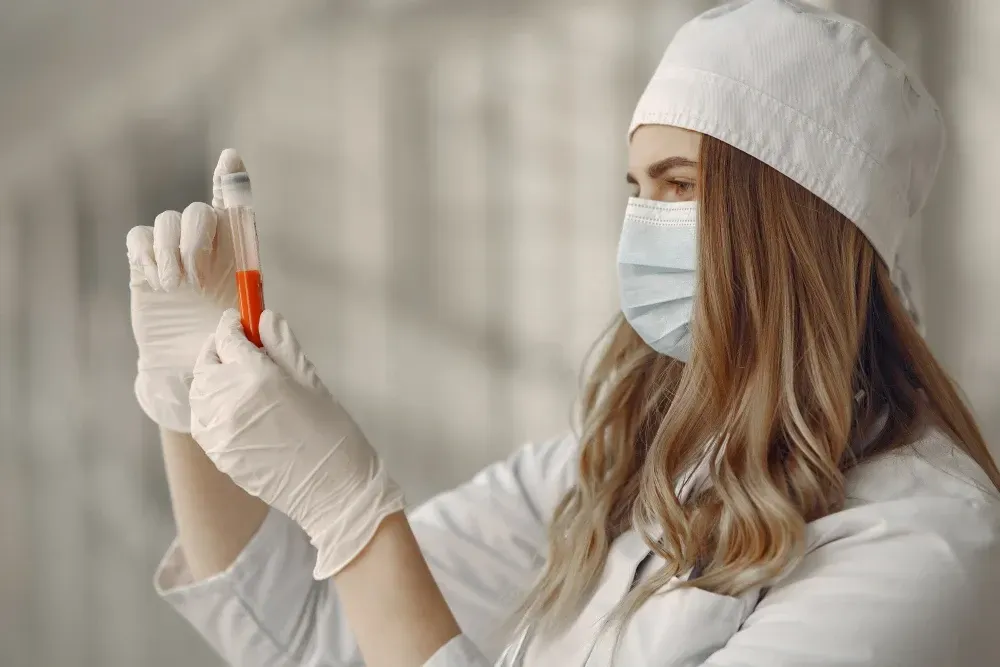
Phlebotomy for Aesthetic Practice was created with the real-world experiences of working with patients in mind not the study of blood collection theory. You will learn about the veins in the body how to position patients which tools to use the different ways to collect blood what is needed for a sample and how to get a sample that is of high quality. You will also look at how being well prepared and talking with patients can help ease their worries and make their time with you better.
The course goes past the steps of taking blood. You will learn about stopping infections from spreading keeping safe with objects what to do if something goes wrong, bleeding, bruises, fainting spells and other possible problems. You will also look at being responsible, in an legal way getting permission keeping things private writing things down and knowing where your limits are. This helps people who want to add phlebotomy to their work in a place that is properly run and safe.
The Certificate in Anatomy, Physiology and Pathology for Aesthetic Medicine is delivered through a blended academic and clinical model, combining structured theoretical learning with supervised applied practice. Assessment is evidence-based and mapped against nationally recognised qualification standards.
What You Will Study?
Module 1: Introduction to Phlebotomy
Introduces the role and scope of phlebotomy within the clinical team. Covers patient preparation, equipment use, and professional responsibilities.
Module 2: Anatomy and Physiology for Phlebotomists
Explores the circulatory system, veins, arteries, and major venepuncture sites. Reviews skin, tissues, and factors affecting blood collection.
Module 3: Phlebotomy Techniques and Procedures
Teaches venepuncture principles, vein selection, and order of draw. Emphasises sample handling, post‑procedure care, and aesthetic practice considerations.
Module 4: Infection Control and Safety Practices
Covers aseptic technique, PPE, sharps safety, and waste management. Reinforces safe preparation of the treatment environment and patient protection.
Module 5: Managing Complications and Adverse Reactions
Prepares practitioners to manage bruising, bleeding, fainting, and difficult venepuncture. Includes escalation protocols and immediate management strategies.
Module 6: Patient Interaction and Communication
Develops consultation skills, informed consent, and patient reassurance. Focuses on building trust, maintaining dignity, and professional documentation.
Module 7: Ethical and Legal Considerations
Explores scope of practice, accountability, and confidentiality. Reviews record keeping, duty of care, boundaries, and incident reporting.
Key Information

Entry Requirements
• Applicants should have an appropriate background relevant to patient-facing practice.
• A basic understanding of anatomy and physiology is advantageous but not essential.
• Applicants must be able to understand and follow clinical safety procedures.
• Where practical venepuncture is undertaken, learners must comply with the relevant supervision, clinical governance and local scope-of-practice requirements.
Our Teaching Approach
• Clinically focused:
• Scenario-based learning
• Professional practice
Progression Route
• Build your foundation: Use phlebotomy as a supporting skill along with your current healthcare or aesthetic qualifications.
• Expand your practice: Move forward into relevant CPD training in areas like IV therapy, PRP, regenerative treatments and other blood-related aesthetic procedures making sure it fits within your professional scope of practice.
• Progress academically: Let your growing clinical portfolio support a broader path, toward advanced aesthetic studies, regenerative medicine or postgraduate study—where you meet the entry requirements
Eligible Roles
Who We Train
Doctors
Physician
Associates
Nurses
Dentists
Allied Health Professionals
Beauty Therapists
Aspiring Aesthetic Practitioners
Recognised Training & Qualifications
Accreditation & Validation
book your coursE
Upcoming Training Dates
Reserve your place today and take the first step towards advancing your knowledge and practice. Places are limited and fill quickly, so early enrolment is strongly encouraged to avoid disappointment. Enrol now to gain immediate access to your online study materials and complete your practical training at a time that suits you.
CUSTOM SCHEDULING OPTIONS
Can't Make These Dates?
Please share your preferred month and availability, and we will be in touch to confirm suitable training dates. Your response will help us shape our upcoming course schedule around the needs of our learners.
Tell us your preferred date
If the current dates for this course do not work for you, tell us what would and our admissions team will follow up.

Real Results | Real Delegates
What Our Delegates Say?
WE'RE HERE TO HELP
Not Sure Where to Start?
Taking the first step towards a new career can feel overwhelming and that is completely normal. Our academic team is here to make that decision easier for you.
Book your free consultation today and get personalised guidance on course eligibility, professional pathways, tuition fee instalments, and available discounts.
Your future starts with one conversation.
Let's talk.
Download Course Brochure
Receive immediate access to our latest curriculum overview, entry requirements, fees, and flexible schedules.
We have sent a copy of the prospectus directly to your email address. You should receive it momentarily.
If it doesn't arrive within a couple of minutes, please check your spam or junk folder.
Frequently Asked Questions
Everything You Need to Know
The Certificate in Anatomy, Physiology and Pathology for Aesthetic Medicine is delivered through a blended academic and clinical model, combining structured theoretical learning with supervised applied practice. Assessment is evidence-based and mapped against nationally recognised qualification standards.
1. Who is this course for?
This course is for people who work in a setting and want to gain good knowledge about phlebotomy in a beauty setting or in a larger medical setting. It can be especially helpful for people who work in healthcare those who work in beauty treatments and others whose job allows them to do medical tasks.
2. Do I need to be a doctor or nurse?
No, not always. The course is for people who have a professional background some experience and a clear idea of what they want to do. Doing a course does not mean that someone can do procedures that are not allowed in their job or not allowed by rules.
3. Why is phlebotomy useful in beauty treatments?
Taking blood is important for more medical and beauty services, like checking blood samples and some treatments that use blood or help the body heal. Learning how to do phlebotomy can help a person improve their medical skills and build a good base for more training.
4. Will I learn how to perform venepuncture?
The course teaches the principles, the techniques, the safety rules and the decision‑making required for phlebotomy. If the course includes hands‑on training the learner will have a chance to practice under supervision.
5. What happens if a patient feels faint or becomes unwell?
The learner will study how to spot and manage adverse reactions such as fainting, dizziness, bruising, bleeding and difficult venepuncture. The focus is on safety on the learner knowing limits and on the learner understanding when to seek help.
6. Is phlebotomy difficult to learn?
The physical procedure can be learned through training and supervised practice but competent phlebotomy requires more than simply inserting a needle. Good practitioners need to understand anatomy, infection control, patient communication, specimen handling, complications and professional responsibilities.
7. Can this course help me progress into aesthetic courses?
Yes. Phlebotomy can give a foundation for practitioners who want to pursue further CPD education in areas such as PRP, IV therapy and regenerative aesthetics as long as they meet the necessary entry requirements and professional scope for those treatments.
8. Does completing the course allow me to practise phlebotomy anywhere?
No qualification should be seen as permission to practice. The ability to perform phlebotomy depends on the background, competence, employer or clinic governance insurance requirements and the applicable legislation and professional standards, in the jurisdiction where the learner practises. The course is designed to support development and not to replace proper clinical governance.
Courses You Might be Interested In
Explore Related Course

Hamilton House
4 Mabledon Place
Bloomsbury
London WC1H 9BB
United Kingdom





Copyright © 2026 Harley Institute of Aesthetics. All rights reserved.