Foundation Programmes
Platelet-Rich Plasma (PRP) Facial Rejuvenation
Turn your understanding of beauty into a real-life doctor-approved PRP ability. Learn how to check if the right people are candidates make PRP in a safe way and give a clear facial improvement treatment. Helping you enter a field that is becoming more and more popular, in advanced beauty work.
Tuition Fees
£1,500
Duration: 1 Days
ProQual AB
CQC‑Registered Clinic
GMC‑Registered Teachers
Diplomate‑Led Training
Supervised Clinical Practice
ABOUT THIS COURSE
Course Overview
Platelet-Rich Plasma (PRP) has become a known treatment in the field of regenerative aesthetics. I have seen how it uses a persons blood, taken and processed to concentrate platelets and then applied to the face to help it look younger. Scientists are still studying how PRP changes skin quality, firmness, smoothness and the signs of ageing. In 2025 a systematic review looked at 11 observational studies. The review found that PRP can improve wrinkles and skin texture. It also pointed out that there is still a lack of consistency in how PRP's prepared how much is used and how it is applied.
The chance for doctors and nurses is not just to learn an aesthetic technique but to grasp the science that underlies regenerative treatments. This course guides you through the science of PRP, the anatomy and physiology of the face how to choose the patients what conditions are not suitable how to prepare PRP, how to treat the skin how to care for patients after treatment how to prevent infections how to talk to patients and the legal and ethical duties you have. A larger review that looked at 20 studies and 514 patients showed the evidence, for increased skin thickness and firmness. It also showed that doctors need an evidence-based approach instead of just following marketing promises.
What You'll Learn?
Course Details
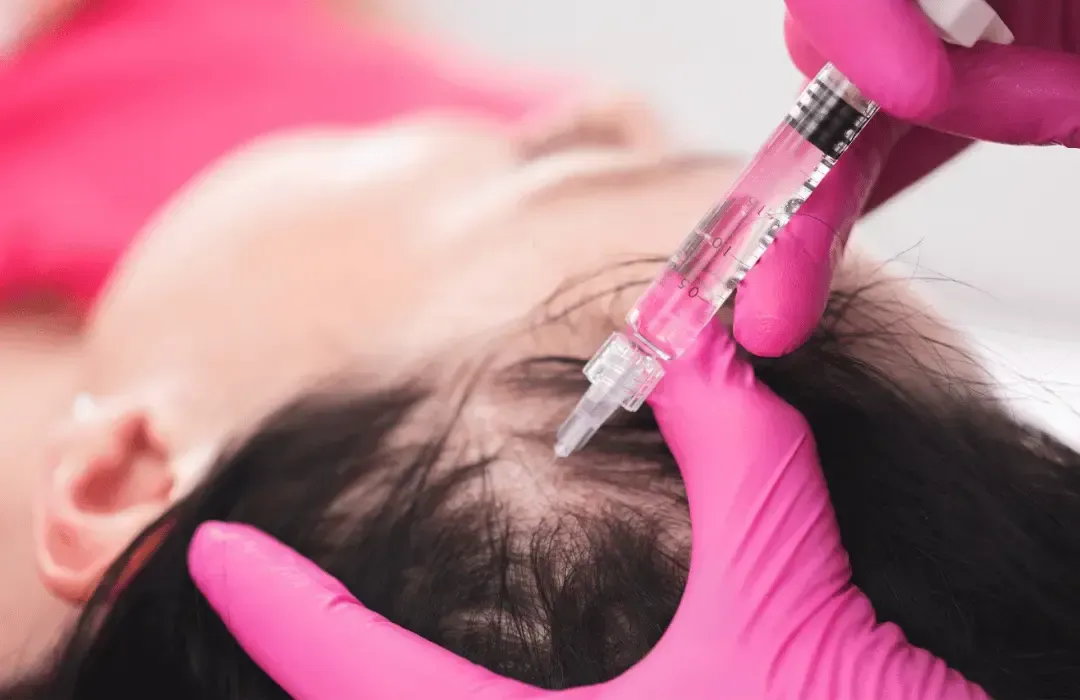
Platelet-Rich Plasma (PRP) Facial Rejuvenation is for practitioners who want to learn more about a established treatment, in regenerative aesthetics. You will look closely at what PRP's how platelets and the growth factors they carry help the body repair tissue. The course will guide you through planning treatments based on anatomy, skin condition, patient goals and whether the patient is a good candidate. You will also study how to collect blood prepare PRP safely and administer it correctly in a clinical setting that follows all necessary rules and standards.
The Certificate in Anatomy, Physiology and Pathology for Aesthetic Medicine is delivered through a blended academic and clinical model, combining structured theoretical learning with supervised applied practice. Assessment is evidence-based and mapped against nationally recognised qualification standards.
What You Will Study?
Introduction to PRP
Explains what Platelet‑Rich Plasma is, its history, and role in regenerative and aesthetic medicine. Covers principles of autologous treatment, evidence, and clinical applications.
Anatomy and Physiology Relevant to PRP
Explores skin layers, facial anatomy, and tissue changes with ageing. Reviews collagen, elastin, platelet physiology, and wound healing processes.
PRP Preparation and Procedure
Covers patient preparation, blood collection, and centrifugation systems. Teaches PRP handling, administration techniques, documentation, and clinical safety.
Indications and Contraindications
Reviews PRP uses for rejuvenation, fine lines, and texture improvement. Highlights patient suitability, contraindications, and evidence‑based treatment selection.
Post‑Treatment Care and Management
Provides aftercare advice, expected responses, and management of common reactions. Covers follow‑up, treatment review, and outcome assessment.
Infection Control and Safety Practices
Teaches aseptic technique, PPE use, and sharps safety. Reinforces blood‑borne infection prevention and safe handling of blood‑derived materials.
Patient Interaction and Communication
Develops consultation skills, expectation management, and informed consent. Focuses on patient reassurance, confidentiality, and professional communication.
Ethical and Legal Considerations
Explores scope of practice, accountability, and duty of care. Reviews documentation, advertising, risk management, and professional indemnity.
Key Information

Entry Requirements
• Suitable for healthcare professionals and appropriately qualified aesthetic practitioners.
• Applicants should have an existing patient-facing or clinical background relevant to aesthetic practice.
• A foundation knowledge of anatomy and physiology is recommended.
• Applicants undertaking practical treatment must work within their professional scope of practice and applicable local requirements.
• Where venepuncture is required, appropriate prior training or a suitable phlebotomy pathway may be required.
Our Teaching Approach
Evidence-informed: Study PRP by looking at the clinical evidence. Understand what the research shows. Also know its limits and how results can vary from one study to another.
Clinically focused: Link knowledge to real patient care. Learn how to assess patients plan treatments, perform procedures manage aftercare and handle complications with confidence.
Patient-centred: Build communication skills. Focus, on consultation informed consent and clear dialogue. Make treatment choices based on what’s right for the patient not on what can be sold.
Progression Route
• Build your regenerative aesthetics portfolio
• Develop complementary skills
• Progress towards advanced study
Eligible Roles
Who We Train
Doctors
Physician
Associates
Nurses
Dentists
Allied Health Professionals
Beauty Therapists
Aspiring Aesthetic Practitioners
Recognised Training & Qualifications
Accreditation & Validation

book your coursE
Upcoming Training Dates
Reserve your place today and take the first step towards advancing your knowledge and practice. Places are limited and fill quickly, so early enrolment is strongly encouraged to avoid disappointment. Enrol now to gain immediate access to your online study materials and complete your practical training at a time that suits you.
CUSTOM SCHEDULING OPTIONS
Can't Make These Dates?
Please share your preferred month and availability, and we will be in touch to confirm suitable training dates. Your response will help us shape our upcoming course schedule around the needs of our learners.
Tell us your preferred date
If the current dates for this course do not work for you, tell us what would and our admissions team will follow up.

Real Results | Real Delegates
What Our Delegates Say?
WE'RE HERE TO HELP
Not Sure Where to Start?
Taking the first step towards a new career can feel overwhelming and that is completely normal. Our academic team is here to make that decision easier for you.
Book your free consultation today and get personalised guidance on course eligibility, professional pathways, tuition fee instalments, and available discounts.
Your future starts with one conversation.
Let's talk.
Download Course Brochure
Receive immediate access to our latest curriculum overview, entry requirements, fees, and flexible schedules.
We have sent a copy of the prospectus directly to your email address. You should receive it momentarily.
If it doesn't arrive within a couple of minutes, please check your spam or junk folder.
Frequently Asked Questions
Everything You Need to Know
The Certificate in Anatomy, Physiology and Pathology for Aesthetic Medicine is delivered through a blended academic and clinical model, combining structured theoretical learning with supervised applied practice. Assessment is evidence-based and mapped against nationally recognised qualification standards.
What is PRP facial rejuvenation?
PRP facial rejuvenation takes a patient’s blood turns it into a platelet‑rich concentrate and then uses that concentrate in a cosmetic procedure. PRP holds platelets and other natural substances that help the skin heal and renew itself.
Does PRP actually improve skin?
Research shows some promise. It must be read with caution. Studies have found skin thickness, more elasticity, fewer wrinkles and smoother texture. However the methods used to prepare PRP the number of treatments and how results are measured differ a lot between studies. A systematic review from 2025 gave the support for skin thickness and elasticity while the support for skin hydration was much weaker.
Who is this course suitable for?
This course is mainly for health professionals. Trained aesthetic practitioners who want to learn more about regenerative facial care. Whether you can perform PRP in practice depends on your job title, the limits of your work, local rules and how your clinic follows safety rules.
Will I learn how to prepare PRP?
The course teaches how to collect blood make PRP use the tools spin the blood manage the product and plan the treatment. The hands‑on part and the specific steps may vary depending on the course style. What you are already allowed to do.
Do I need phlebotomy training before studying PRP?
If you will draw blood yourself during PRP sessions you need phlebotomy skills. People who do not already have these skills might find Phlebotomy for Aesthetic Practice courses helpful.
What complications and adverse reactions will I study?
You will learn how to choose the patient prevent infections and recognise and handle usual problems like bruising, swelling, pain and fainting. The course also stresses when a situation needs help or a medical check.
How PRP treatments will a patient need?
There is no fixed schedule, for PRP. Studies use ways of making PRP, different numbers of visits and different follow‑up times. So each plan should be set for each patient based on the patient’s needs what research shows and what the practitioner is allowed to do.
Does completing the course allow me to offer PRP independently?
Finishing a course does not automatically give you an professional licence to work alone. You must check that PRP is part of your job that your insurance covers it that local rules allow it and that your clinic follows the safety framework.
Courses You Might be Interested In
Explore Related Course

Hamilton House
4 Mabledon Place
Bloomsbury
London WC1H 9BB
United Kingdom





Copyright © 2026 Harley Institute of Aesthetics. All rights reserved.