Foundation Programmes
Foundation Botulinum Toxin
Every successful aesthetic practitioner starts with a foundation. To enter the fast‑growing world of aesthetics you need more than just technical skill—you need confidence, in facial anatomy, patient assessment and safe practice. The Foundation Botulinum Toxin course gives you the knowledge.
Tuition Fees
£1,500
Duration: 1 Day
ProQual AB
CQC‑Registered Clinic
GMC‑Registered Teachers
Diplomate‑Led Training
Supervised Clinical Practice
ABOUT THIS COURSE
Course Overview
Botulinum toxin is one of the widely used non‑surgical treatments for beauty around the world. Demand for gentle procedures that do not require long healing times keeps growing. Many people want to smooth facial lines without going into surgery or spending days in recovery. This creates a chance for new professionals to build a career.. Doing well means more than just learning where to inject. It also means knowing the face’s anatomy deciding if a patient is a fit talking clearly with the patient getting proper permission keeping everything clean and understanding all the possible dangers.
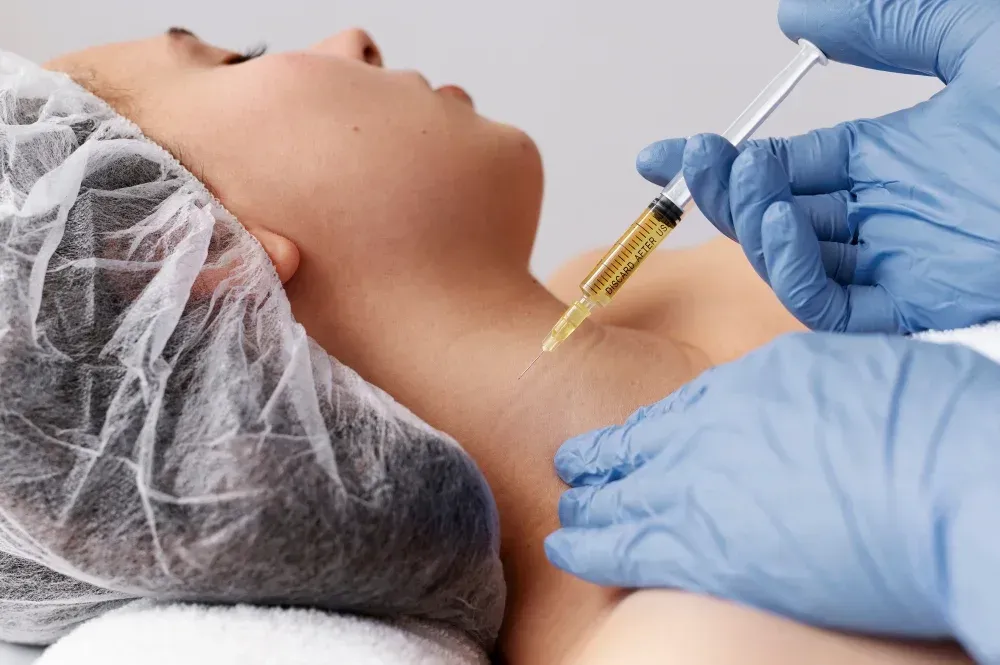
The Foundation Botulinum Toxin course teaches the science behind Botulinum toxin the anatomy and how the body works, how to stay sterile the rules, for injecting and the most common areas to treat. The course also teaches how to look at patients the ways to act ethically and the laws that should be followed. With this knowledge students get a path to feel confident and move on to more advanced studies in beauty.
What You'll Learn?
Course Details
The programme introduces the principles of toxin and its role in aesthetic practice. It explores how facial movement leads to expression lines. It explains why understanding muscle anatomy is essential for treatment planning. Students learn about the connection, between muscles, movement and how a person looks. They also recognize that every individual has anatomy, which affects outcomes.
The course also highlights professional duties. These include maintaining practice conducting proper patient consultations assessing suitability, planning treatments keeping accurate records and following ethical and legal responsibilities. Than seeing botulinum toxin treatment as just a technical skill the course helps practitioners understand the full patient journey. This includes the consultation, assessment, treatment planning and ongoing professional care.
The Certificate in Anatomy, Physiology and Pathology for Aesthetic Medicine is delivered through a blended academic and clinical model, combining structured theoretical learning with supervised applied practice. Assessment is evidence-based and mapped against nationally recognised qualification standards.
What You Will Study?
Introduction to Botox
Explores the role of botulinum toxin in aesthetic medicine, covering dynamic and static lines, treatment principles, and patient expectations. Introduces professional responsibilities and realistic outcomes in practice.
Anatomy and Physiology for Botox
Covers facial muscles, nerves, and skin structure, highlighting age‑related changes and individual variation. Builds anatomical awareness essential for safe treatment planning.
Aseptic Non‑Touch Technique
Teaches infection prevention, aseptic protocols, and hygiene standards. Focuses on safe handling of equipment, cross‑contamination prevention, and professional clinical practice.
Injection Techniques
Introduces injection principles, patient positioning, and facial assessment. Emphasises depth, symmetry, conservative planning, and post‑treatment considerations.
Treatment Areas
Reviews common zones such as forehead, glabella, and lateral canthal lines. Guides practitioners in assessing muscle activity, patient suitability, and treatment limitations.
Patient Assessment and Management
Develops consultation skills, medical history review, and contraindication awareness. Covers informed consent, documentation, aftercare, and recognising when referral is required.
Special Ethical and Legal Considerations
Explores professional responsibility, scope of practice, and ethical decision‑making. Includes consent, confidentiality, advertising, insurance, and regulatory compliance in aesthetics.
Key Information

Entry Requirements & Prerequisites
Applicants should normally meet the following requirements:
• Be aged 18 years or above.
• Hold an appropriate qualification or meet the professional entry requirements specified for injectable aesthetic training.
• Have a sound understanding of anatomy and physiology, either through previous education or an appropriate prerequisite course.
• Be able to understand and communicate in English at a level suitable for professional education.
• Meet any additional professional, regulatory, practical or insurance requirements relevant to their intended scope of practice.
Our Teaching Approach
Build the Science Before the Technique
We believe that safe aesthetic practice begins with knowledge. The course focuses on building a foundation in facial anatomy, physiology and muscle movement before moving on to treatment principles.
Think Like a Practitioner, Not a Technician
Students are encouraged to think beyond the procedure. They learn about the patient journey—consultation, assessment, suitability, consent and professional responsibility—not just the technical side of treatment.
Safety and Ethics at the Core
Medicine requires a strong sense of professional responsibility. Infection control, patient safety, ethical choices and clear professional boundaries are woven into every part of the programme.
Progression Route
1. Develop Your Foundation in Injectable Aesthetics
2. Progress to Advanced Botulinum Toxin and Aesthetic Training.
3. Progress Towards Postgraduate Education
Eligible Roles
Who We Train
Doctors
Physician
Associates
Nurses
Dentists
Allied Health Professionals
Beauty Therapists
Aspiring Aesthetic Practitioners
Recognised Training & Qualifications
Accreditation & Validation

book your coursE
Upcoming Training Dates
Reserve your place today and take the first step towards advancing your knowledge and practice. Places are limited and fill quickly, so early enrolment is strongly encouraged to avoid disappointment. Enrol now to gain immediate access to your online study materials and complete your practical training at a time that suits you.
CUSTOM SCHEDULING OPTIONS
Can't Make These Dates?
Please share your preferred month and availability, and we will be in touch to confirm suitable training dates. Your response will help us shape our upcoming course schedule around the needs of our learners.
Tell us your preferred date
If the current dates for this course do not work for you, tell us what would and our admissions team will follow up.

WE'RE HERE TO HELP
Not Sure Where to Start?
Taking the first step towards a new career can feel overwhelming and that is completely normal. Our academic team is here to make that decision easier for you.
Book your free consultation today and get personalised guidance on course eligibility, professional pathways, tuition fee instalments, and available discounts.
Your future starts with one conversation.
Let's talk.
Download Course Brochure
Receive immediate access to our latest curriculum overview, entry requirements, fees, and flexible schedules.
We have sent a copy of the prospectus directly to your email address. You should receive it momentarily.
If it doesn't arrive within a couple of minutes, please check your spam or junk folder.
Frequently Asked Questions
Everything You Need to Know
The Certificate in Anatomy, Physiology and Pathology for Aesthetic Medicine is delivered through a blended academic and clinical model, combining structured theoretical learning with supervised applied practice. Assessment is evidence-based and mapped against nationally recognised qualification standards.
1. Who is the Foundation Botulinum Toxin course designed for?
The course is built for people who meet the entry conditions and want to build a solid base in botulinum toxin and injectable aesthetic practice. The course is especially good, for practitioners who are just starting their growth in aesthetic medicine.
2. Is this a beginner-level course?
Yes. The programme is positioned as a starting course. Introduces the main scientific, professional and practical ideas connected with botulinum toxin treatments.
Candidates still have to meet the programs entry requirements and any rules that apply to work.
3. Do I need anatomy and physiology knowledge before enrolling?
A strong knowledge of how the body works and how it is structured is important for learning about treatments that change appearance.
People who want to apply for this programme can show they have this knowledge by having worked in healthcare or medical fields or by taking courses in beauty or aesthetic medicine. They can also take a course like Anatomy, Physiology and Pathology, in Aesthetic Medicine.
4. Does completing this course automatically allow me to practise botulinum toxin treatments?
Completing a training course does not automatically give you the authority to practise.
Your ability to carry out treatments depends on your background your level of competence your scope of practice local rules and regulations any prescribing arrangements that apply and your insurance coverage.
You must make sure you meet all these requirements before you start offering treatments in a setting.
5. What treatment areas are covered?
The course introduces the principles of upper-face treatment areas including:
• Forehead lines
• Glabellar lines
• Lateral canthal lines
The emphasis is placed on understanding facial movement, muscle activity, patient anatomy and treatment planning.
6. Can this course help me obtain professional indemnity insurance?
Relevant professional training can help build your background and show your skills. It might be looked at by insurance companies when deciding if you qualify for treatment- insurance.
Professional indemnity insurance is decided on its own by the insurance company. Taking this course does not mean you will get insurance. Students need to check with their chosen insurance company to find out which procedures are covered.
7. What can I study after the Foundation Botulinum Toxin course?
You may progress into further education such as:
• Advanced Botulinum Toxin
• Foundation and Advanced Dermal Fillers
• Complications Management in Aesthetic Medicine
• Skin and regenerative aesthetic treatments
• Advanced aesthetic practice programmes
• Postgraduate education pathways
8. Can I progress from CPD training to a PGC or PGD in aesthetic medicine?
Whether you can join a postgraduate programme depends on the qualifications you already have and on the entry requirements set for that programme.
CPD courses and postgraduate qualifications have purposes. CPD helps practitioners grow professional knowledge and skills. In contrast a PGC or PGD is a postgraduate study, with academic assessment and wider clinical or professional growth.
Courses You Might be Interested In
Explore Related Course

Hamilton House
4 Mabledon Place
Bloomsbury
London WC1H 9BB
United Kingdom





Copyright © 2026 Harley Institute of Aesthetics. All rights reserved.